Mastering Custom Painting for Spearon Miniatures: Custom Painted Figures Tips

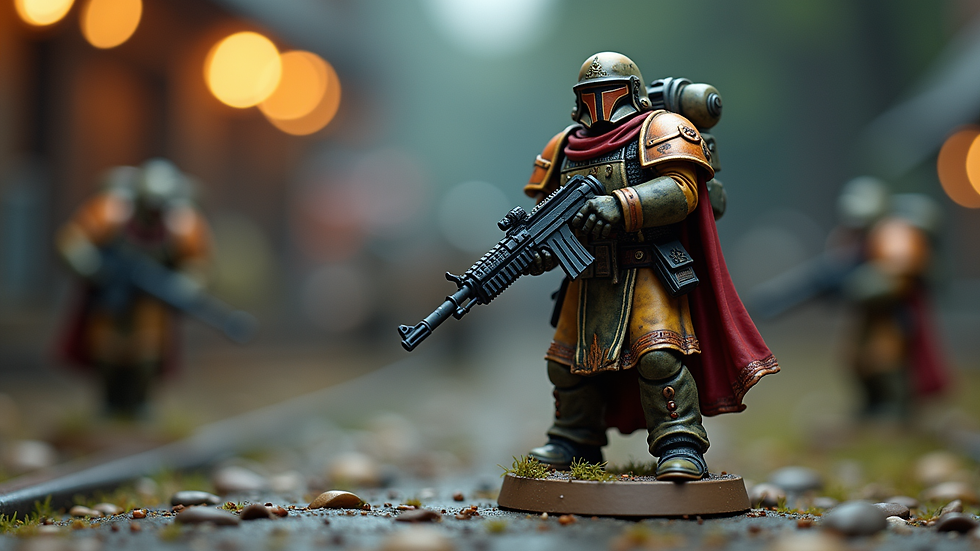
When I first started painting miniatures, I was overwhelmed by the tiny details and the precision required. But over time, I learned that mastering custom painting for Spearon miniatures is not just about skill - it’s about patience, the right tools, and a clear plan. These miniatures, especially in 00 gauge, demand a delicate touch and a steady hand. If you’re looking to elevate your collection or even start your own bespoke project, I’m here to share some practical, straightforward advice that helped me get there.
Getting Started with Custom Painted Figures Tips
The first thing I always tell anyone new to this hobby is: start simple. It’s tempting to jump straight into complex colour schemes or intricate shading, but mastering the basics will save you frustration later.
Choose the right brushes: I recommend a fine detail brush (size 0 or 00) and a slightly larger brush for base coats. Synthetic brushes work well for beginners because they hold their shape.
Use quality paints: Acrylics are my go-to. They dry quickly and clean up easily with water. Plus, they come in a wide range of colours.
Prepare your miniature: Clean the figure with warm soapy water to remove any mould release agents. This helps the paint stick better.
Prime your figure: A thin layer of primer creates a smooth surface for painting. I prefer a light grey primer because it shows colours well without being too stark.
Once you have these basics down, you can start experimenting with layering colours and adding details.

Essential Techniques for Custom Painted Figures Tips
Painting miniatures is as much about technique as it is about creativity. Here are some methods that transformed my approach:
Layering: Apply thin layers of paint rather than one thick coat. This prevents details from getting lost and gives a smoother finish.
Dry brushing: This technique highlights raised areas by lightly brushing a small amount of paint over the surface. It’s perfect for textures like clothing or armour.
Washing: A wash is a thinned-down paint that flows into recesses, adding depth and shadow. I use dark brown or black washes to bring out the details on faces and folds.
Highlighting: After washing, I add highlights to edges and raised parts with a lighter shade of the base colour. This makes the miniature pop.
Don’t rush these steps. Each layer builds on the last, so patience is key.
Tools and Materials That Make a Difference
Having the right tools can make painting miniatures a lot more enjoyable and less frustrating. Here’s what I keep on my desk:
Palette: A wet palette keeps acrylic paints moist longer, which is great for blending.
Magnifying lamp: This helps me see tiny details clearly without straining my eyes.
Fine tweezers: Useful for holding small parts or decals.
Sealer: Once the paint is dry, I apply a matte varnish to protect the finish without adding shine.
Investing in these tools early on will improve your results and make the process smoother.

How to Approach Painting Spearon Miniatures
Spearon miniatures are known for their intricate detail and high quality. When I paint these figures, I treat each one like a small masterpiece. Here’s how I approach them:
Study the figure: Before painting, I examine the miniature closely. Understanding the character or scene helps me decide on colours and shading.
Plan your palette: I pick a limited colour scheme to keep the figure cohesive. Too many colours can make the miniature look busy.
Work in stages: I start with the largest areas and base colours, then move to smaller details like faces, accessories, and highlights.
Use reference images: Sometimes I look at photos or artwork for inspiration, especially for uniforms or historical accuracy.
Take breaks: Painting miniatures requires focus. I find stepping away for a few minutes helps me spot mistakes or areas that need improvement.
If you want to see examples of truly stunning work, check out spearon custom painted miniatures for inspiration.
Tips for Displaying and Caring for Your Painted Miniatures
Once you’ve spent hours perfecting your miniature, you want to keep it looking great. Here are some tips I follow:
Use display cases: Dust and sunlight can damage paint over time. A glass case protects your figures while showing them off.
Handle with care: Oils from your skin can wear down paint. I use gloves or hold miniatures by their base.
Regular cleaning: Gently dust your miniatures with a soft brush. Avoid water or chemicals that could damage the paint.
Store properly: If you need to pack away your miniatures, use foam-lined boxes to prevent chipping or breaking.
Taking these steps ensures your collection stays vibrant and detailed for years.
Growing Your Skills and Community
Painting miniatures is a journey. The more you practice, the better you get. I’ve found that joining online forums and local clubs can be incredibly helpful. Sharing tips, asking questions, and seeing other people’s work motivates me to improve.
Spearon aims to be the go-to specialist for highly detailed, custom-painted 00 gauge miniature figures, growing its community of collectors and expanding its bespoke craftsmanship services to enthusiasts UK wide. Getting involved with their community can open doors to new techniques and friendships.
If you’re serious about custom painting, consider entering competitions or showcasing your work online. It’s a great way to get feedback and recognition.
Mastering custom painting for Spearon miniatures is a rewarding challenge. With the right tools, techniques, and mindset, you can create figures that are not just models but works of art. Remember, every expert was once a beginner. Keep practising, stay patient, and enjoy the process. Your collection will thank you for it.


Comments